
Favorite Items For Cane Furniture Restoration And Maintenance
Choose from trusted products that simplify the process of repairing and maintaining cane furniture at home.
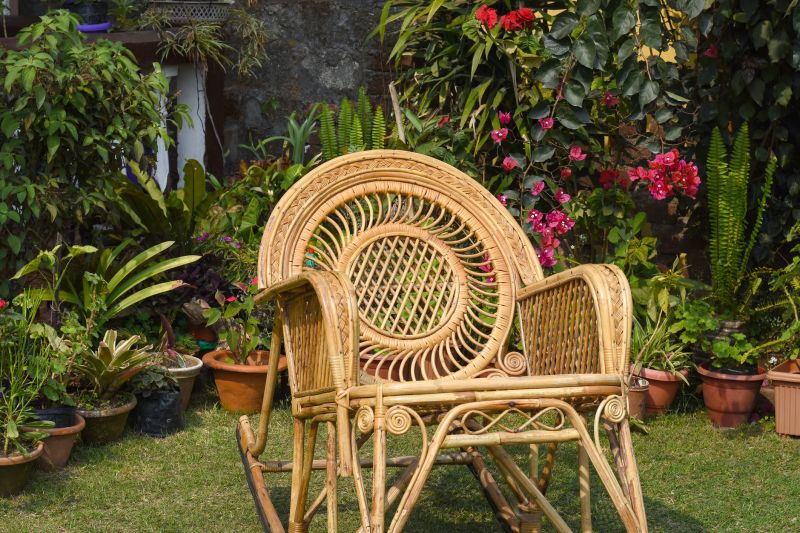 Cane furniture restoration is a delicate craft that requires the right selection of products to ensure longevity and aesthetic appeal. Whether restoring a vintage chair, a delicate side table, or an intricate settee, having the appropriate supplies can make a significant difference in the outcome. The process often involves cleaning, repairing broken or frayed cane, and applying suitable finishes to bring new life to old pieces. Using quality products designed specifically for cane furniture helps preserve its natural look while maintaining structural integrity.
Top Overall Option
Complete Cane Furniture Repair Kit
A comprehensive repair kit that includes an array of adhesives, patching materials, replacement cane strips, and finishing products. Designed for both beginners and experienced restorers, it provides all the essentials needed to address common cane furniture issues with confidence.
Types of Products For Cane Furniture Restorations
Cane Repair Glue
Specialized adhesives formulated to bond cane and reed materials securely, suitable for various repair needs.
Cane Patch Repair Material
Pre-cut patches designed to cover holes or damaged sections, making repairs less invasive and more seamless.
Replacement Cane Strips
Pre-woven or plain strips for re-caning or replacing worn sections of cane furniture.
Cane Cleaning Solution
Gentle cleansers formulated to remove dirt, grime, and old finishes without damaging the cane material.
Cane Sealer and Finish
Protective coatings that seal and enhance the appearance of restored cane, adding durability.
Reed and Rush Material
Natural fibers used in traditional caning styles, available in various gauges for detailed work.
Cane Tensioning Tools
Tools that help tighten cane during re-caning, ensuring a taut and even surface.
Cane Repair Pins and Staples
Fasteners used to secure cane strips or patches in place during repairs.
Cane Finishing Wax
Wax products that add a subtle sheen and help protect the cane surface.
Cane Cutting and Shaping Tools
Specialized scissors and knives designed for precise cutting and shaping of cane materials.
Cane Recaning Twine
Strong twine used to secure cane during the weaving or re-caning process.
Cane Repair Brushes
Soft brushes for applying adhesives, finishes, or cleaning solutions evenly.
Cane Restoration Kits
All-in-one kits that include multiple products needed for comprehensive cane furniture restoration.
Cane Dyes and Stains
Coloring agents to match or enhance the appearance of cane furniture after repairs.
Cane Repair Clamps
Clamps to hold cane in place while adhesives set, ensuring tight bonds.
Popular Choices
A versatile kit containing essential tools and supplies for various cane restoration projects.
Pre-cut patches and repair adhesives designed for quick fixes on damaged cane surfaces.
Bundles of reed cane suitable for weaving or replacing sections in traditional caning styles.
Effective cleaners formulated to restore the natural luster of cane furniture.
Products that help seal and protect cane surfaces after restoration work.
Wire used to secure cane strips or patches during the repair process.
Complete kits for traditional weaving and re-caning projects, including tools and materials.
Tools designed to help achieve proper tension during re-caning or weaving.
Oil-based products that enhance the appearance and protect cane surfaces.
Fasteners for securing cane strips and patches during repairs.
Specialized needles for intricate weaving and re-caning work.
Precision applicators for applying adhesive in hard-to-reach areas.
Fine-grit sandpaper for smoothing cane surfaces before finishing.
Markers for subtle color correction or touch-ups on cane furniture.
Clamps to hold cane in place securely during repairs or glue drying.
Restoration projects can vary from minor touch-ups to extensive repairs. For minor repairs, adhesives and patching materials are essential to secure loose or broken cane. For more comprehensive restorations, replacing sections of cane or re-caning entire pieces may be necessary. Proper preparation, such as cleaning with appropriate solutions, ensures that adhesives and finishes adhere properly. Finishing products like sealers and protective coatings help guard against future damage and wear, extending the lifespan of the restored furniture.
Choosing the right products also involves understanding the type of cane used—whether rush, reed, or traditional cane—as each material may require specific treatments. Patience and attention to detail are crucial during the restoration process to achieve a professional-looking result. Utilizing a variety of specialized tools and supplies can facilitate smoother repairs, more precise work, and a more durable finish. Ultimately, the goal is to restore the furniture's original charm while ensuring it remains functional and resilient for years to come.
Key Buying Considerations
- Identify the type of cane material used in your furniture (reed, rush, traditional cane) to select compatible products.
- Assess the extent of damage to determine whether patching, replacing, or re-caning is necessary.
- Choose high-quality adhesives that are suitable for cane and will provide a strong bond without damaging the material.
- Consider the tools required for shaping, cutting, and weaving cane to ensure you have everything needed for your project.
- Select products that offer protection against future wear, such as sealers and finishes, to extend the life of the restoration.
- Evaluate the ease of use of repair kits or individual products, especially if you are a beginner.
- Check for color-matching options if aesthetic consistency is important after repairs.
- Opt for products that are formulated to work with the specific age and condition of your furniture.
- Review the drying and curing times to plan your restoration process efficiently.
- Ensure safety by choosing products with clear instructions and appropriate safety warnings.
- Consider the availability of replacement parts or additional supplies for ongoing maintenance.
- Look for versatile products that can address multiple repair needs within a single project.
- Read customer reviews and ratings to gauge product effectiveness and reliability.
- Determine your budget and compare product costs against the scope of your restoration project.
- Verify the compatibility of finishing products with your desired aesthetic and protective requirements.